It was 2016 — a decade ago, but what feels like a lifetime ago — when I would leave an exhausting day of work at the publisher on Hennepin Avenue, maybe grab a few groceries at Lunds, then weave my way, on foot, through Minneapolis Downtown West, Loring Park, and home to my studio apartment on La Salle. My stride was strong, if tired, and my trusty earbuds were in.
A song common to my playlists those days was “Hate Street Dialogue,” a remix by the French DJ and producer, The Avener. Listening to that song, I felt cooler than cool. With a punchy beat, gripping minor chord progression, gritty lyrics, and arrangement by an up-and-coming European DJ, the song accompanied me in my lonely, artsy cosmos. Donning my safe-but-individuated fashion sense, I strode, each day, down 12th Street, pivoted onto Harmon Place, continued through the Loring Greenway, and eventually ducked into the big, green park, the whole time occupying my own little world. Just me, my fantasies, and a soundtrack to dream to.
Little did I know that the original heart, soul, and voice of “Hate Street Dialogue” belonged to a Mexican-American musician who was born, lived, and died in Detroit, Michigan. His name was Sixto Rodriguez (1942-2023). Little did I know, too, that nearly 10 years later — two nights ago, after another long work week — I’d plop down to watch the documentary Searching for Sugar Man (2012) to discover this obscure but colossal musician.
“He approached the work from a different place than most people do. He took it very, very seriously. Sort of like a sacrament, you know? He was going to do this dirty, dirty work for eight or ten hours, okay? But he was dressed in a tuxedo. He had this kind of magical quality that all genuine poets and artists have, to elevate things. To get above the mundane, the prosaic. All the bullshit. All the mediocrity that’s everywhere. The artist, the artist is the pioneer. Even if his musical hopes were dashed, the spirit remained. And he just had to keep finding a place, refining the process of how to apply himself. He knew that there was something more.”
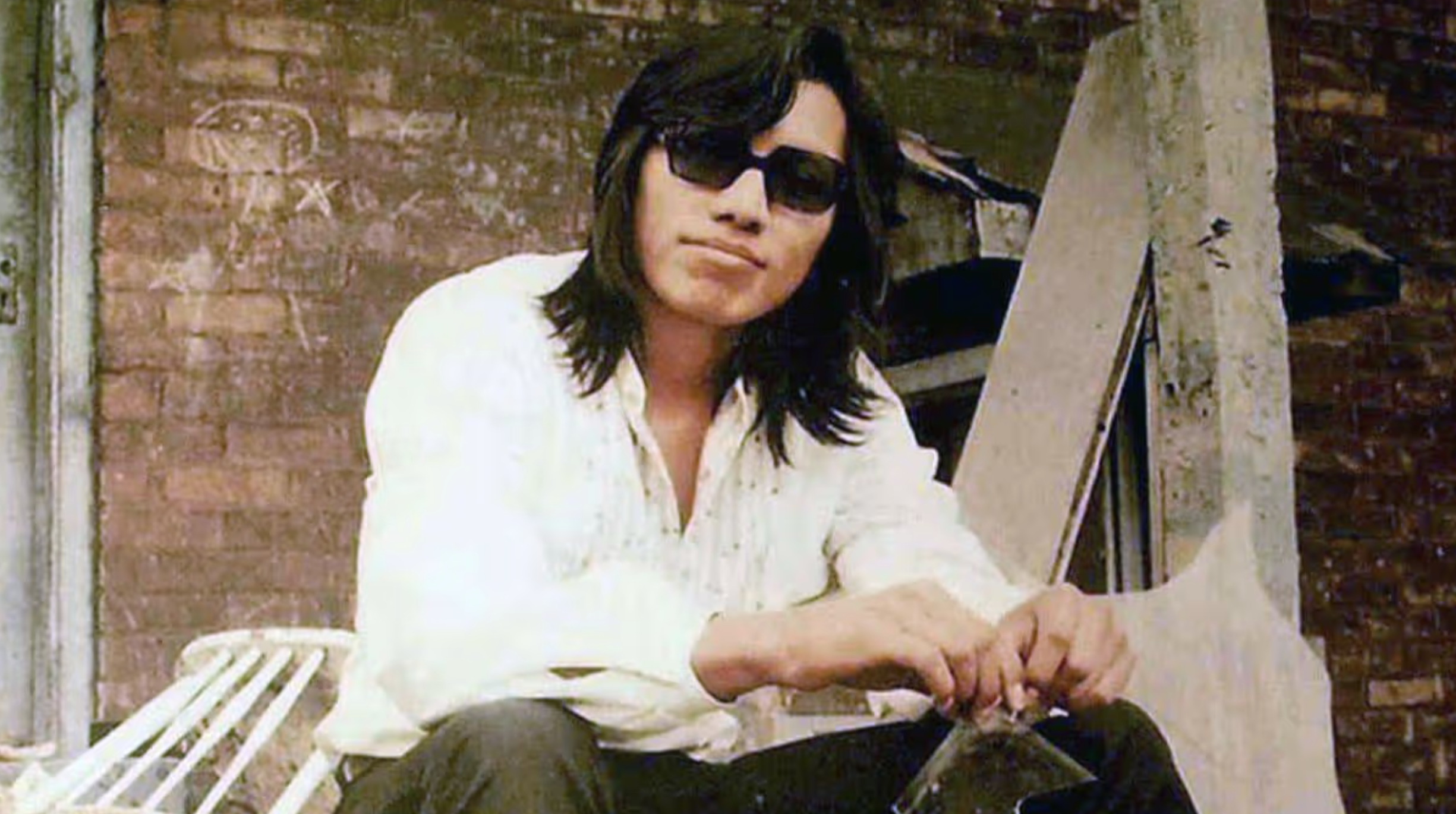
Sixto Rodriguez
The documentary was well done, and it inspired this post. Needless to say, I highly recommend it. And I’m trying, as I write this, to figure out what touched me the most, what reached me the furthest.
The music takes first chair. It must. Without the greatness of the music, the rest is null. The music here is the organizing force. If you like ‘70s-era, establishment-sick folk, that is. I listened to Rodriguez’s first two albums, Cold Fact (1970) and Coming From Reality (1971), on repeat yesterday and found great beauty in them. When the art is good, impact and legacy take care of themselves. Art can stand alone; all else is fanfare.
After sound, perhaps, is scene. The birthplace, the origin story. Detroit is a notoriously rough, rundown city, not to mention cold, icy, and hard-as-hell to survive when you’re working class. Rodriguez’s parents followed a wave of Mexican immigrants relocating to Motown during its industrial boom in the early 20th century. His family followed the work, and he walked the beat. He took the pulse, uncovered the gritty soul of the place. The city’s viscera, the human toil fueling the engine of industry, the relief and release through drugs and sex, love stories at ground level: Rodriguez’s observant, embodied tracks drip with these themes, these scenes.
“Met a girl from Dearborn,
Early six o’clock this morn
A cold fact
Asked about her bag,
Suburbia’s such a drag
Won’t go back
‘Cos Papa don’t allow
No new ideas here
And now he sees the news,
But the picture’s not too clear.”
When his music failed to launch, he carried on working construction and raising a family. This descent into relative obscurity is fascinating and surely the linchpin of the documentary’s plot line. We love an unsung genius because it assures us that we, too, could be one. It inspires us to continue nursing our unseen brilliance; reminds us that glory, while deserved, is not always forthcoming, and that, yes, the felled tree in the forest makes a sound, even if no one hears it.
There’s something even deeper about Rodriguez’s work ethic I feel here. It’s the idea that if someone is a craftsman in his bones, then he will operate and create with quality, integrity, and durability, no matter the product at hand. Rodriguez wrote a couple brilliant musical albums, but he also performed hard labor with sacred zest, knowing, instinctively, that the work of his soul through his hands would reverberate no matter the medium. This, to me, is heroic.
This power, this influence, occurs independently of fame. Countless unknown forebears have contributed to our wellbeing, and their contributions are no less significant for their anonymity. I don’t know the architect, for instance, who designed the built-in desk in my childhood bedroom, but my life has been enhanced by it. Hours and hours I sat at that desk, with its built-in shelves and drawers; it’s as if the dimensions of that well-crafted space added a dimension to my being. I am moved to know that Rodriguez, a talented artist spurned in his artistic endeavors, resumed a life of humility, integrity, and literal construction, regardless.
May Rodriguez rest in deep peace. Lord knows he did his work.
“Cause how many
times can you wake
up in this comic book
and plant flowers?”